Also known as: Sinus Brady
ECG Characteristics
| Heart Rate | < 60 bpm (human), < 60 bpm (large dogs) |
| Rhythm | Regular |
| P Wave | Normal, upright in lead II before each QRS |
| PR Interval | 0.12–0.20 seconds |
| QRS Duration | < 0.12 seconds |
Mechanism
The SA node fires at a slower-than-normal rate, often due to increased vagal tone or decreased sympathetic input.
Key Features on ECG
- Regular rhythm with heart rate below normal limits
- Normal P waves preceding each QRS
- Normal PR interval and QRS duration
- Identical morphology to normal sinus rhythm except for rate
Causes
- Increased vagal tone (athletes, sleep)
- Beta-blocker or calcium channel blocker use
- Hypothyroidism
- Hypothermia
- Sick sinus syndrome
- Inferior MI (right coronary artery occlusion)
Clinical Significance
Asymptomatic sinus bradycardia in fit individuals is benign. Symptomatic bradycardia (dizziness, syncope, fatigue) may require atropine, pacing, or medication adjustment.
Frequently Asked Questions
When is sinus bradycardia considered dangerous?
Sinus bradycardia becomes clinically significant when it causes symptoms such as dizziness, lightheadedness, syncope, chest pain, or hemodynamic compromise. A heart rate below 40 bpm is more likely to be symptomatic.
Why do athletes have sinus bradycardia?
Athletes develop increased vagal tone and greater stroke volume through cardiovascular conditioning. Their hearts pump more blood per beat, so a slower rate maintains adequate cardiac output. Resting rates of 40–50 bpm are common in well-trained athletes.
How is symptomatic sinus bradycardia treated?
Treatment depends on the cause. Acute symptomatic bradycardia may be treated with atropine. If caused by medications, dose adjustment or discontinuation is appropriate. Persistent symptomatic bradycardia may require permanent pacemaker implantation.
See Sinus Bradycardia in 3D
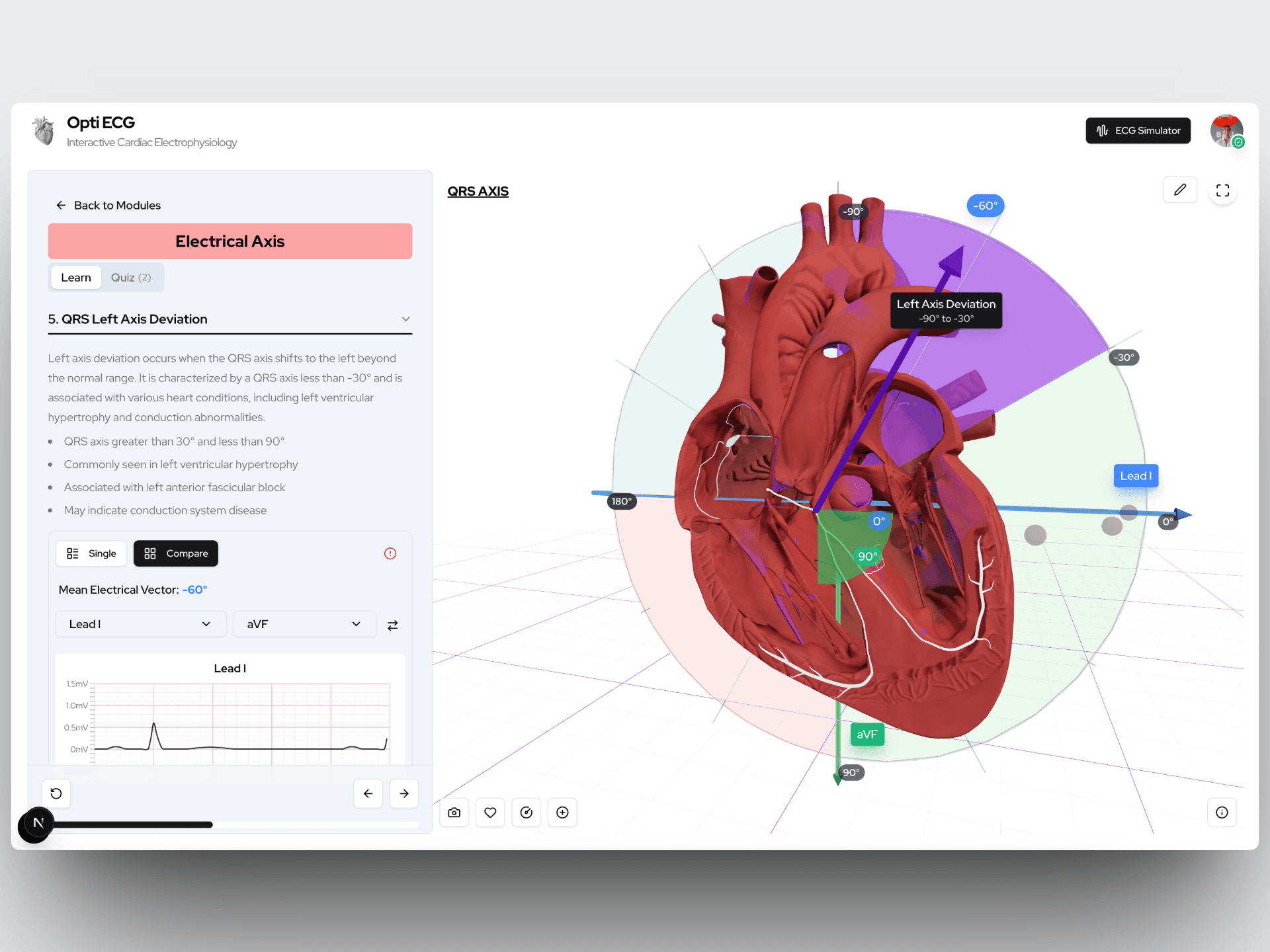
Watch Sinus Bradycardia unfold on a beating 3D heart synced to the ECG. Scrub the timeline, highlight each lead, and see exactly how the rhythm produces the tracing.
Related Topics
How helpful was this page?